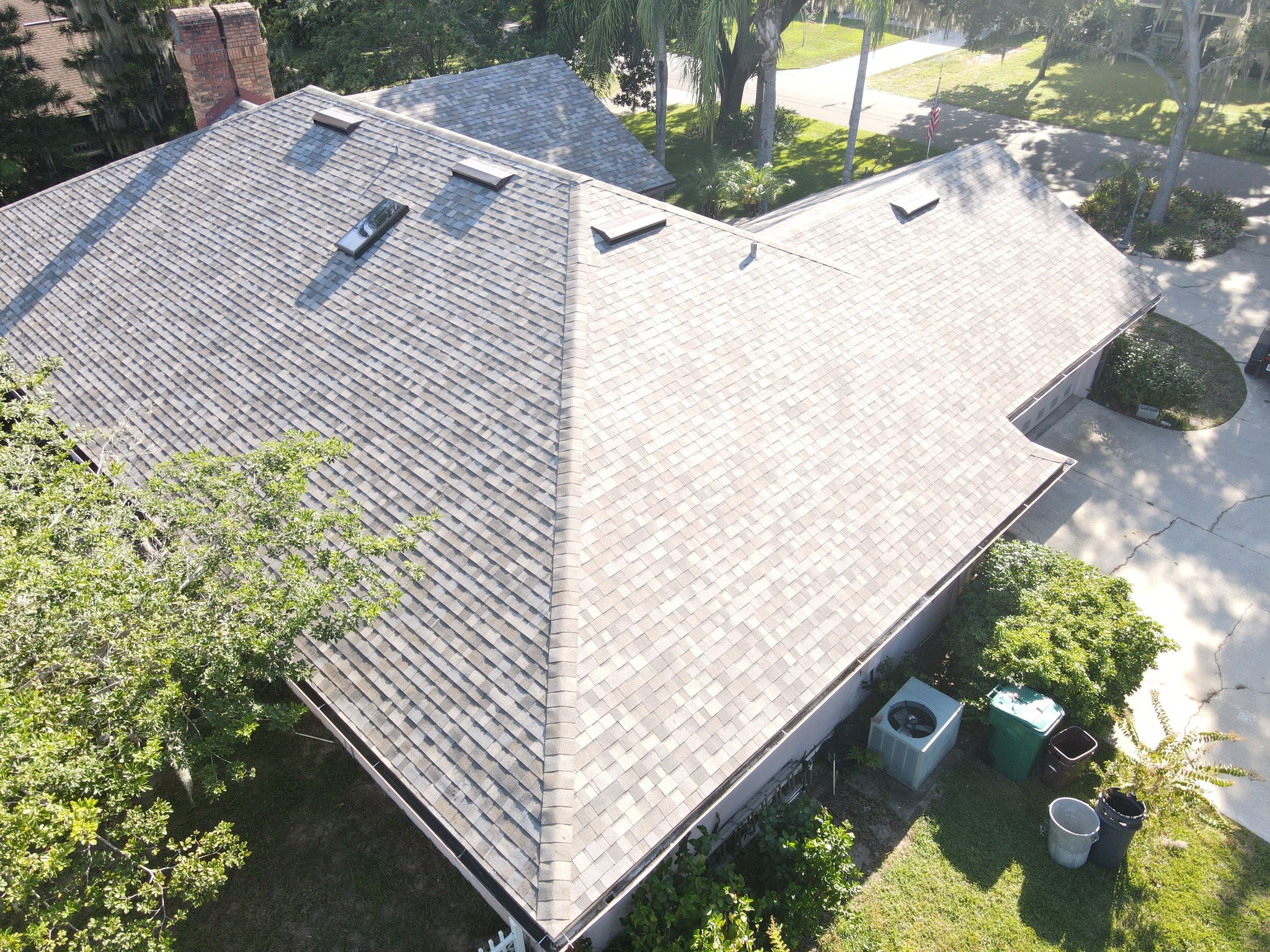
Exploring the Pros and Cons of Synthetic Roofing Materials Jul 14, 2026
Synthetic roofing materials are engineered to replicate traditional roofing materials such as slate, wood, and tile. Made primarily from plastic and rubber, these materials offer several advantages. One of the foremost benefits is their durability. Synthetic materials are designed to withstand the harshest weather conditions and typically last longer than some traditional options. This durability means fewer replacements and repairs over time, making them a cost-effective choice for many homeowners.
Additionally, synthetic roofing materials are lightweight. This characteristic simplifies the installation process and reduces the need for extensive structural support, potentially lowering overall installation costs. The ease of installation also means faster project completion times, which is a bonus for anyone looking to have a quick roofing update.
Another key advantage is the variety and aesthetics synthetic roofing offers. Available in an array of colors and designs, synthetic roofing can mimic the look of natural materials like slate and wood shake without the associated maintenance. This wide range of options allows homeowners to customize the appearance of their roofs to match their personal style or neighborhood aesthetic.
However, despite the numerous benefits, synthetic roofing materials are not without their drawbacks. One significant con is the initial cost. While these materials can save money over time due to their longevity and reduced maintenance needs, their upfront cost can be significantly higher than traditional options like asphalt shingles. This initial expense can be a deterrent for some homeowners, especially when working with a tight budget.
Environmental concerns also come into play with synthetic roofing materials. Although they can often be recycled, not all types of synthetic materials are biodegradable and might not have the same environmentally friendly appeal as natural materials like wood. Homeowners looking to minimize their environmental footprint should consider the end-of-life disposal process for synthetic options.
It's also worth noting that not all synthetic roofing products are created equal. The market includes a wide range of products with varying quality levels. Selecting a reputable roofing company like Roof-Tite Services, LLC can ensure that your synthetic roof is made from high-quality materials and installed correctly, thereby maximizing its lifespan and performance.
In conclusion, synthetic roofing materials present a viable alternative to traditional roofing options. They offer durability, aesthetic versatility, and ease of installation, though they come with a higher initial cost and environmental concerns. It’s crucial for homeowners to weigh these pros and cons in the context of their specific needs and budget. Consulting with professionals, such as the experienced team at Roof-Tite Services, LLC, can help guide you through this important decision process, ensuring you choose the best roofing solution for your home. By understanding both the benefits and potential drawbacks, you can make a choice that enhances the value, appearance, and longevity of your home’s roof.
/filters:no_upscale()/filters:format(webp)/media/5ef88ac6-84a5-44bd-b017-b6798e92bd26.jpeg)
/filters:no_upscale()/filters:format(webp)/media/0b385a02-4c86-4f7f-a8af-3fb6d658a31f.jpeg)