Understanding Roof Flashing: The Key to Preventing Leaks and Water Damage May 18, 2026
Roof flashing, simply put, is a thin material placed in critical areas of the roof to direct water away from junctions and seams. These are typically the most vulnerable spots for water infiltration. Understanding the importance and functionality of roof flashing can save homeowners from costly repairs and prolong the life of their roof.
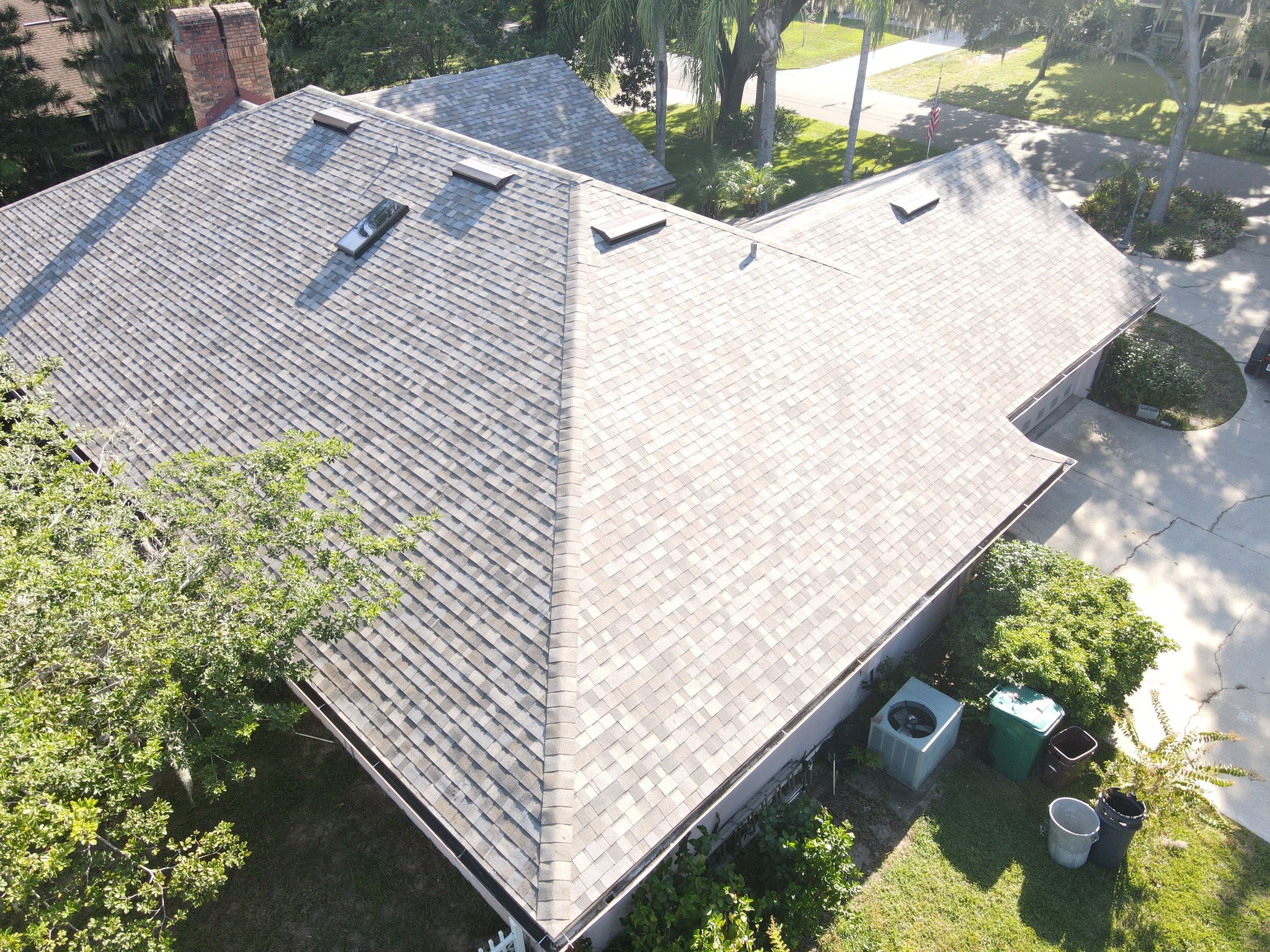
The role of roof flashing cannot be overstated. Roof flashing is typically installed around areas such as chimneys, skylights, vents, and valleys, which are prone to water seepage. These areas can easily become compromised by weather, leading to leaks that may result in structural damage, mold, and mildew within the home. Properly installed flashing helps seal these joints, providing a watertight barrier against the elements.
There are several types of roof flashing, each designed for specific applications. Step flashing is commonly used along walls and chimneys, where roofing meets a vertical surface. It comprises small pieces of metal that overlap each other in a stair-step fashion, effectively directing water away. Another type, continuous flashing, is a long piece of metal used to protect at chimneys and valleys; it works by guiding water off the roof and onto the next piece to ensure it flows safely away. Drip edges, installed along the edges of the roof, prevent water from curling back under the roof's edge.
The materials chosen for roof flashing are as crucial as its installation. Common materials include aluminum, galvanized steel, and copper. Each has its benefits. Aluminum is lightweight and resistant to corrosion, making it a practical choice for many homes. Galvanized steel is also popular due to its strength and affordability. Copper, although more expensive, offers durability and a distinctive look that can enhance the aesthetic appeal of the roof.
Professional installation of roof flashing is imperative. Although it may look simple, proper installation requires skill and precision. Improperly installed flashing can cause more harm than good, leaving gaps where water can enter. Hiring a professional roofing service like Roof-Tite Services, LLC ensures that flashing is correctly installed, providing peace of mind and protection against potential water damage.
Regular inspection and maintenance are equally important in preserving the integrity of roof flashing. Over time, flashing can corrode, crack, or become loose, requiring attention. Homeowners are encouraged to schedule periodic inspections, especially after severe weather events, to ensure that their flashing remains in good condition.
In conclusion, roof flashing is a small yet mighty component that plays a vital role in preventing leaks and water damage in homes. By understanding its significance and ensuring it is properly installed and maintained, homeowners can protect their investment and enjoy a leak-free living space. Trusting experts like Roof-Tite Services, LLC for installation and maintenance can provide added security and expert care, safeguarding your home's roof for years to come.
/filters:no_upscale()/filters:format(webp)/media/5ef88ac6-84a5-44bd-b017-b6798e92bd26.jpeg)
/filters:no_upscale()/filters:format(webp)/media/0b385a02-4c86-4f7f-a8af-3fb6d658a31f.jpeg)