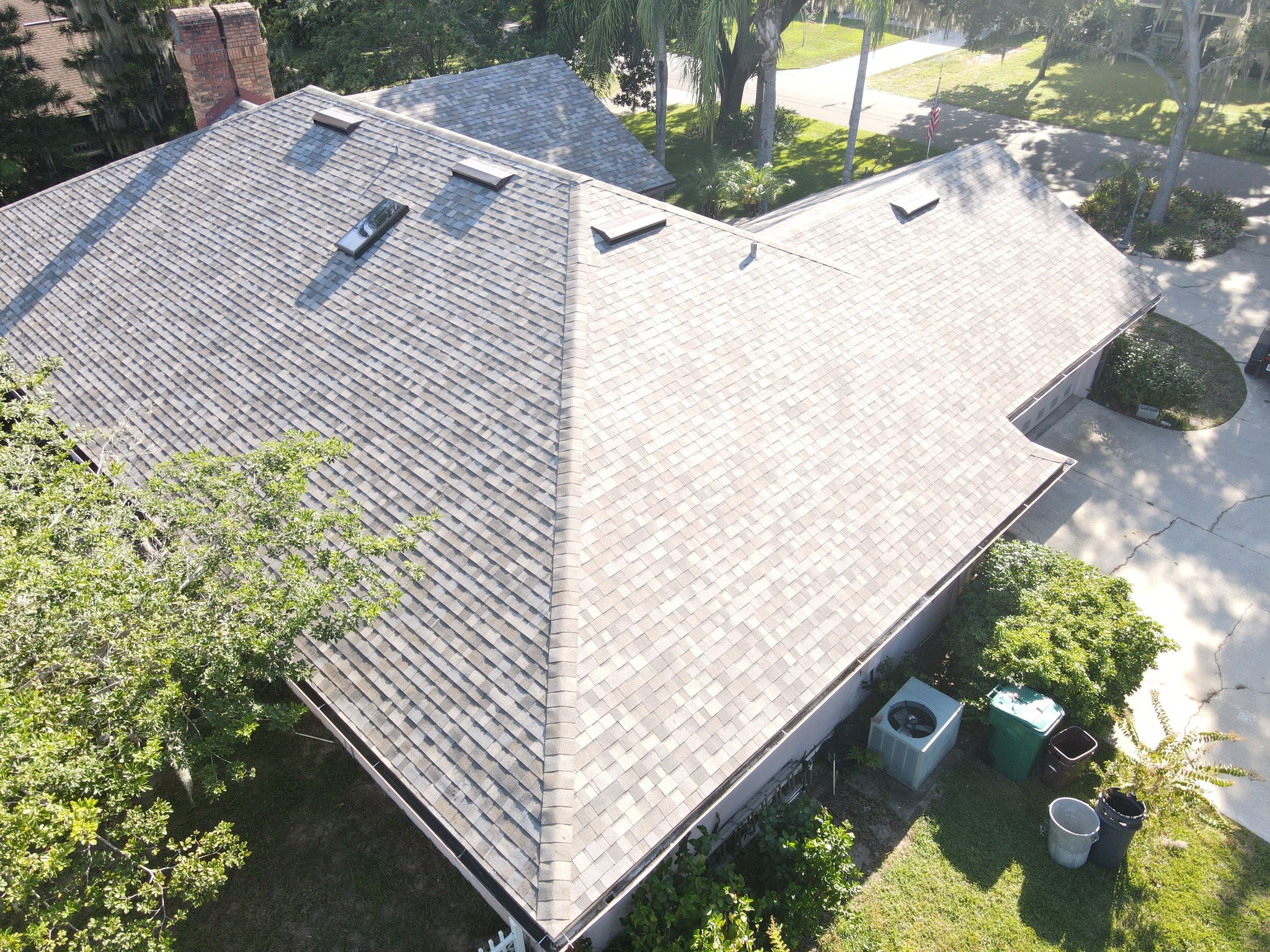
Understanding Roof Ventilation: A Key Element for Energy Efficiency and Comfort Dec 14, 2025
First, let's explore why roof ventilation is so important. Properly ventilated roofs help to manage temperature and moisture levels in your attic, which are critical factors affecting both energy efficiency and comfort. When your attic heats up excessively during the warmer months, it can lead to an increase in your home's interior temperature, forcing your air conditioning system to work harder and increasing energy bills. Conversely, inadequate ventilation in the winter can lead to moisture buildup, which might cause mold and mildew, reducing air quality and compromising the structural integrity of your roof.
In addition to thermal regulation, proper roof ventilation plays a role in extending the life of your roof. Extreme temperatures, combined with excess moisture, can accelerate the deterioration of roofing materials, leading to costly repairs or replacements sooner than necessary. Ensuring your attic is well-ventilated helps mitigate these issues by maintaining more consistent attic temperatures and allowing moisture to escape.
So, how can you achieve effective roof ventilation? The key lies in balancing intake and exhaust vents. Intake vents, typically located along the eaves or soffits, allow fresh air to enter the attic while exhaust vents, often located at or near the roof ridge, let warm, moist air exit. This continuous airflow helps maintain a steady exchange of air, preventing the buildup of heat and moisture.
Several types of vents can be installed to achieve this balance, including ridge vents, soffit vents, gable vents, and turbine vents. Each type serves a specific purpose and can be suited to different roof designs and climate conditions. For example, ridge vents are popular for their sleek design and effectiveness, while turbine vents may be more suitable for areas with strong winds. Consulting with a roofing professional like Roof-Tite Services, LLC, is recommended to determine the best solution for your home.
It's worth noting that roof ventilation is not a one-size-fits-all solution. Factors such as your local climate, roof design, and existing insulation all play a role in determining the appropriate ventilation system. In colder climates, for example, it's essential to ensure that snow and ice do not block intake vents, while in warmer climates, maximizing the expulsion of hot air becomes a priority.
In conclusion, investing time and resources into understanding and improving your roof ventilation is a wise decision for any homeowner. Not only does it bolster your home's energy efficiency, leading to lower energy bills, but it also enhances indoor comfort and extends the lifetime of your roof. For personalized guidance and installation services, consider partnering with experts like Roof-Tite Services, LLC, who can provide tailored solutions to meet your specific needs. Embrace the benefits of effective roof ventilation and ensure your home remains a comfortable and energy-efficient haven throughout the seasons.
/filters:no_upscale()/filters:format(webp)/media/5ef88ac6-84a5-44bd-b017-b6798e92bd26.jpeg)
/filters:no_upscale()/filters:format(webp)/media/0b385a02-4c86-4f7f-a8af-3fb6d658a31f.jpeg)