Understanding the Lifespan of Your Roof: Factors That Affect Longevity Apr 29, 2026
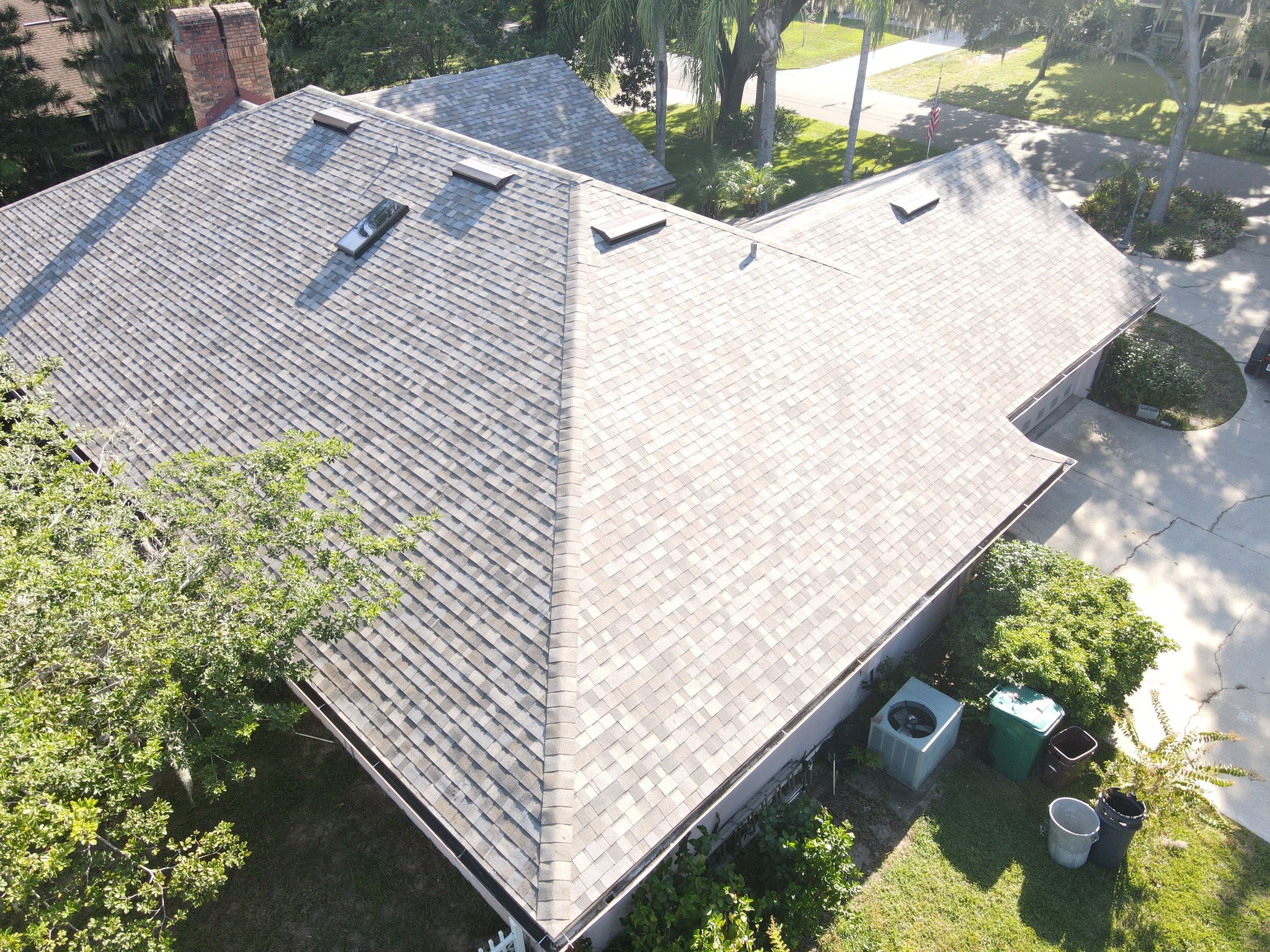
The type of material used for your roof plays a significant role in determining its lifespan. For instance, asphalt shingles, a popular choice due to their affordability and ease of installation, typically last between 15 to 30 years. Metal roofs, although pricier, can endure for 40 to 70 years, offering exceptional longevity. Tile roofs, known for their durability, can last over 50 years with proper care. Alternately, wood shakes provide a natural aesthetic but require regular maintenance and usually last up to 30 years. Evaluate your options and consider long-term benefits when selecting roofing materials.
Climate and weather conditions intensely impact your roof’s durability. Roofs in regions prone to harsh weather, such as heavy snowfall, high winds, or intense heat, tend to wear faster. Shingles in humid areas are susceptible to moss and algae growth, which can lead to structural damage over time. Understanding the specific challenges of your geographical location and choosing appropriate materials that withstand these conditions are pivotal.
Proper installation by experienced professionals significantly influences the lifespan of your roof. Mishandled seams, improper nailing, and inadequate flashing are common errors that can severely reduce a roof’s longevity. Opt for a reputable service provider like Roof-Tite Services, LLC, which ensures precise installation techniques, reducing the risk of premature roof failure.
Regular maintenance and inspections are critical for prolonging your roof’s life. A proactive approach includes clearing debris, checking for water damage, and ensuring proper ventilation. Minor issues, if addressed promptly, can prevent expensive repairs and extend the overall lifespan. Schedule routine inspections with a trusted roofing company, allowing experts to spot potential problems and provide timely solutions.
Ventilation and insulation are often overlooked but crucial determinants of roof longevity. Proper ventilation prevents moisture accumulation, reducing the risk of mold and rot. In contrast, poor insulation can lead to ice dams, causing shingles to deteriorate rapidly. Investing in adequate ventilation and insulation safeguards your roof from unnecessary wear and boosts energy efficiency in your home.
The quality of roofing materials can vary widely. Investing in high-grade materials initially may seem more costly, but it pays off in the long run with increased durability and reduced maintenance costs. Ensure you procure materials from reliable manufacturers known for their quality and durability.
The age of your roof naturally influences its condition. Older roofs inevitably show wear and may not meet modern standards for safety and efficiency. If your roof is approaching the end of its expected lifespan, consider consulting with professionals for an evaluation and possible replacement to avoid potential hazards.
In summary, the longevity of your roof depends on multiple variables, from the choice of materials and installation quality to regular maintenance and environmental factors. By understanding and addressing these elements, you can maximize your roof’s durability, ensuring it protects your home for many years to come. Trust Roof-Tite Services, LLC, to guide you in making the best decisions for your roofing needs. Contact us today for expert advice and professional services tailored to extend the life of your roof.
/filters:no_upscale()/filters:format(webp)/media/5ef88ac6-84a5-44bd-b017-b6798e92bd26.jpeg)
/filters:no_upscale()/filters:format(webp)/media/0b385a02-4c86-4f7f-a8af-3fb6d658a31f.jpeg)